
01What the Stipendium Hungaricum Is — and Is Not
The Stipendium Hungaricum is a Hungarian government scholarship programme, administered by the Tempus Public Foundation, that funds international students to complete full degrees at Hungarian universities — bachelor's, master's, and doctoral. It is not a partial bursary, not a fee reduction, and not something you apply for after arriving. It is an end-to-end funding package that covers tuition, accommodation and a monthly living stipend, and it sits entirely outside the university's own admissions system. The University of Debrecen is one of the main receiving institutions; many Stipendium Hungaricum students are placed there.

The critical thing to understand early is that eligibility is determined not by your personal academic record alone, but by your country. Hungary's bilateral education policy agreements define which nations can participate, and the list currently runs to more than 70 countries. Nigeria, Ghana, Vietnam, South Korea and Jordan are among the participating states — but the roster shifts over time. Before you do anything else, check the Tempus Public Foundation's current list to confirm your country is on it.
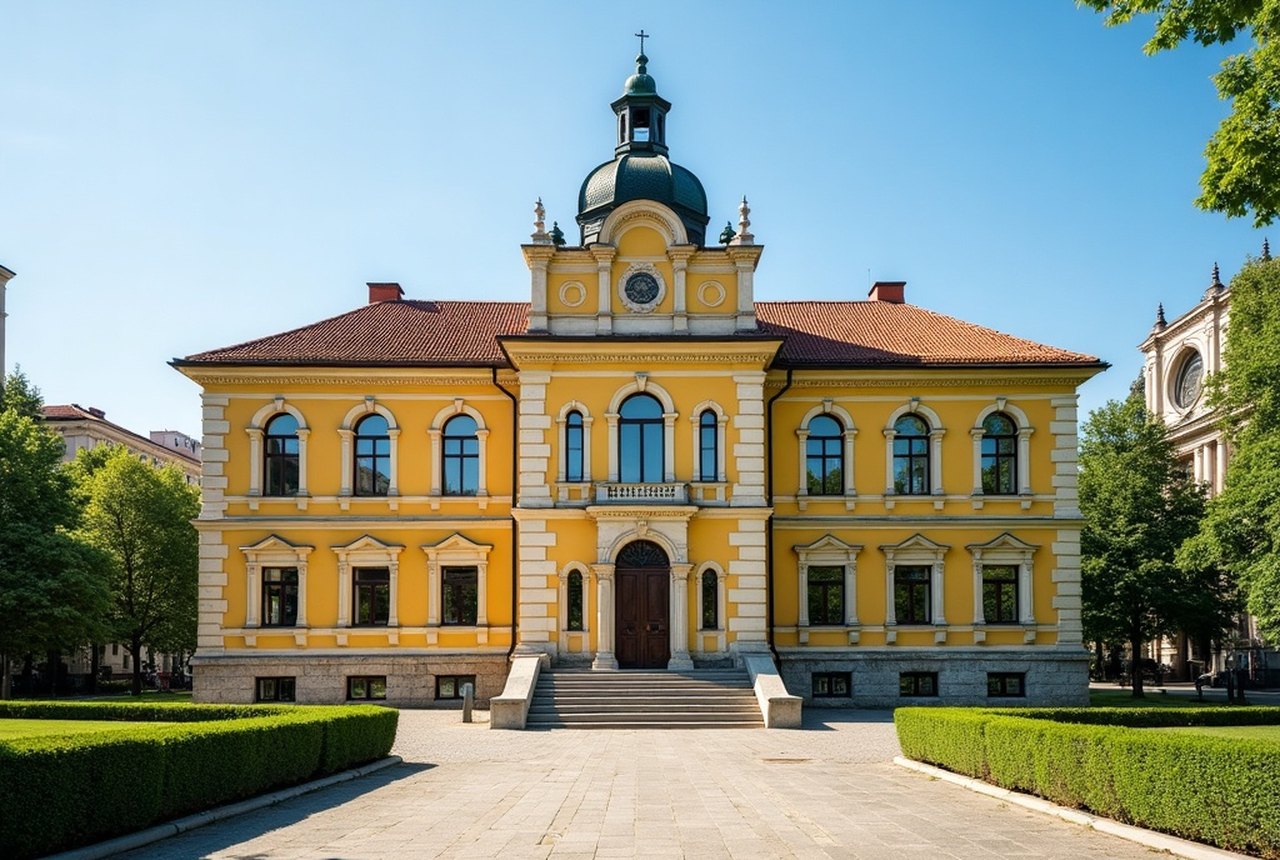
It is an end-to-end funding package that sits entirely outside the university's own admissions system.
02What the Scholarship Actually Covers
The package is genuinely comprehensive by European standards. It includes a full tuition waiver — you pay no programme fees to the university — along with free dormitory accommodation for the duration of your degree, and medical insurance cover throughout your studies. On top of that, there is a monthly stipend: approximately €130 at bachelor's and master's level, approximately €450 during the first phase of a doctoral programme, and approximately €580 during doctoral phase two. These are not large sums by Western European standards, but Debrecen's cost of living is low enough that a funded student covering rent through the dormitory allocation can live reasonably on them, particularly with careful budgeting.
The phrase "free dormitory accommodation" is worth unpacking. The scholarship covers the cost of a university dormitory place; it does not guarantee a specific room or building. In practice, Stipendium Hungaricum students at Debrecen are generally housed in university-managed accommodation, but if you later choose to rent privately in the city, the financial benefit associated with the dormitory component does not automatically transfer to you as cash. Ask about the specific terms when you receive your award letter.
03How the Application Route Works
This is where many prospective students go wrong, because the Stipendium Hungaricum does not accept applications directly from individuals. The entire process runs through official Sending Partners — designated national bodies in each eligible country, typically a ministry of education or a government-appointed agency. Tempus only processes applications forwarded by these partners. You cannot contact Tempus directly, and you cannot apply through the University of Debrecen's admissions portal as a substitute route for the scholarship.
In practice, the sequence runs like this. You identify your country's Sending Partner and apply through that body first, following their local deadline — which is almost always earlier than any deadline the Hungarian side publishes. The Sending Partner screens, ranks and nominates candidates, then forwards approved applications to Tempus. Tempus carries out its own review, and applications that pass are then sent to the receiving institution — in this case, the University of Debrecen — for academic evaluation. Shortlisted candidates are subsequently invited to an entrance assessment.
The implication is that there are, in effect, two selection stages before the university even sees your file. The competition you face is first among your own compatriots at the Sending Partner stage. Getting your documents right — and getting them in on time — is not a secondary concern; it is the difference between being nominated and not.
| Stipendium Hungaricum | Self-funded | |
|---|---|---|
| Who applies | Students from participating countries, via a national Sending Partner | Any eligible international student, direct to the university |
| What it covers | Full tuition waiver, dormitory, insurance and a monthly stipend | Nothing — you fund tuition and living costs yourself |
| Route | Sending Partner → Tempus → university evaluation | Direct to University of Debrecen admissions |
| Entry standard | Identical academic requirements and entrance assessment for both | |
04What Your Application Package Must Contain
The documents required for Stipendium Hungaricum applications are specific, and missing or incorrect items are a common reason for nomination to be refused or delayed. Your package must include:
A motivation letter, written in English or Hungarian, of at least one page, formatted in Times New Roman. This is not a formality. Admissions readers see hundreds of these documents; a vague letter citing a lifelong passion for medicine will not distinguish you. Be specific about your programme choice, your academic background, and why Debrecen in particular.
Proof of language proficiency in the language of your chosen programme. For English-language programmes at Debrecen — which cover medicine, dentistry, pharmacy, and biochemistry and molecular biology, among others — this means evidence of English competence. Accepted formats vary by programme and may include internationally recognised test scores or prior education conducted in English; check the current requirements carefully.
Academic transcripts and school documents with certified translations. If your documents are not in English or Hungarian, translations must be certified by an authorised translator. Uncertified translations will be rejected.
A medical certificate, signed by an authorised physician, confirming that you are free from Hepatitis A, B, and C, HIV/AIDS, and any current epidemic condition. This is a firm requirement, not optional. Get this sorted well in advance — in some countries, accessing the required testing and obtaining a signed certificate on a specific form takes longer than applicants expect.
A valid passport scan or equivalent identification document.
Compile this package as if it will be judged on presentation as well as content — because it will be. Keep certified copies of everything. Some Sending Partners request originals; others accept scans. Know what your country's partner requires before you submit.
05Self-Funded Applications
Students whose countries do not participate in the Stipendium Hungaricum, or who miss the scholarship cycle, can apply to the University of Debrecen directly as self-funded international students. The academic entry requirements and entrance assessment process are the same; the scholarship funding simply does not apply. Tuition fees for self-funded students vary by programme and are published annually by the university. Prospective self-funded students should factor full tuition costs alongside living expenses into their financial planning from the outset.
06Timing Is Everything
Stipendium Hungaricum application cycles typically open in the autumn for a start date the following academic year, but Sending Partner deadlines vary — some close as early as January. Tempus and the university operate their own subsequent timelines on top of that. The entire chain, from your country's Sending Partner submission to the entrance assessment invitation, can span six months or more. Treat any deadline published by the Hungarian side as the outer limit, not your personal target. Build in weeks of margin for document gathering, translation, and medical testing — all of which are harder to rush than they appear.
Students who arrive at this process well-prepared — country eligibility confirmed, documents complete, motivation letter genuinely specific — are not just better positioned for nomination. They are also demonstrably more likely to perform well at the entrance assessment stage, because the discipline required to get the application right tends to predict the discipline required to get through a demanding European medical or science degree.
- Your country's Sending Partner deadlineApply through the designated national body first — its deadline is almost always the earliest in the chain.
- Screening and nominationThe Sending Partner ranks candidates and forwards approved applications to Tempus.
- Tempus reviewTempus checks the file and passes those that qualify to the receiving institution.
- University academic evaluationThe University of Debrecen assesses your academic file.
- The entrance assessmentShortlisted candidates are invited to sit the assessment — the final gate.
Independent guideThis is an independent guide. Details of the Stipendium Hungaricum — stipend figures, eligible countries, document requirements and deadlines — are set by the Tempus Public Foundation and the Hungarian government, and are subject to change. Always verify current terms at the Tempus Public Foundation's official website before submitting any application.