01The University Behind the Degrees
The University of Debrecen is Hungary's second-largest university and the leading institution outside Budapest. That sounds like marketing, but the substance behind it matters for anyone choosing a degree. Its roots trace to the Reformed College of Debrecen, founded in 1538, making it one of Central Europe's oldest centres of learning. Today, across 14 faculties — spanning medicine, science, arts, pharmacy, and theology — it enrols more than 28,000 students, of whom around 4,300 are international. That international share is not incidental: the university has spent decades building genuine English-language pathways rather than simply translating existing courses.
Every degree programme aligns with the Bologna Process European Qualifications Framework, which means your diploma is recognised across the European Union — a practical concern if you plan to practise medicine or pharmacy anywhere other than your home country. The Hungarian Accreditation Board, embedded in the European accreditation network, has accredited all programmes. These are not technicalities; they are the difference between a degree that opens doors and one that requires years of remediation.
02The Programmes International Students Actually Come For
The University of Debrecen Medical & Health Science Centre is the engine that draws the majority of international applicants. Within it sit the programmes most prospective students are weighing.
Medicine is a six-year English-language MD programme, one of the oldest and best-established of its kind in Central Europe. The structure is front-loaded with basic sciences — anatomy, biochemistry, physiology, pathology — before clinical rotations in the university's own teaching hospitals. Because the degree carries EU accreditation, graduates can sit licensing examinations in EU member states and, via established pathways, in the United States, Canada, and elsewhere. Students arrive from Nigeria, Ghana, South Korea, Vietnam, Japan, Norway, and dozens of other countries; the lecture halls are genuinely international rather than performatively so.
Dentistry is a five-year programme leading to a Doctor of Dental Medicine degree, again in English. The clinical component is substantial and hands-on from relatively early in the course — a point often underestimated by applicants who compare programmes on paper rather than on practice hours.
Pharmacy is a five-year programme combining laboratory science with clinical pharmacology. Hungary's pharmacy tradition is strong — the country has a well-regarded domestic pharmaceutical industry — and Debrecen's research infrastructure reflects that. Students work alongside active research departments rather than in facilities quarantined from the university's broader scientific life.
Biochemistry and Molecular Biology sits slightly apart from the health programmes in character: it is a research-facing BSc that suits students drawn to bench science, molecular mechanisms, and the prospect of postgraduate research. The programme attracts students who want to understand how things work at the cellular and genetic level, rather than move immediately into clinical practice.
Health Sciences covers a cluster of practice-led programmes — physiotherapy, nursing, and related fields — with strong clinical placement components from early in the curriculum.

03The Academic Infrastructure That Backs Them Up
Faculty quality at Debrecen is worth examining directly. All professors and associate professors hold doctorates; 23 hold membership in the Hungarian Academy of Sciences. The university runs 21 doctoral schools and seven innovation teams, and it has received the national Higher Education Qualification Prize. Its research output is striking in context: the University of Debrecen accounts for roughly 15 per cent of all research activity in Hungary — more than any institution outside the capital.
Priority research areas include molecular medicine, pharmacy, health sciences, and environmental science, which means students in those disciplines are studying within genuinely active research environments rather than programmes that simply reference research at a distance. The University and National Library holds more than 2.7 million items and 27,000 digital periodicals, with Wi-Fi throughout every campus building.
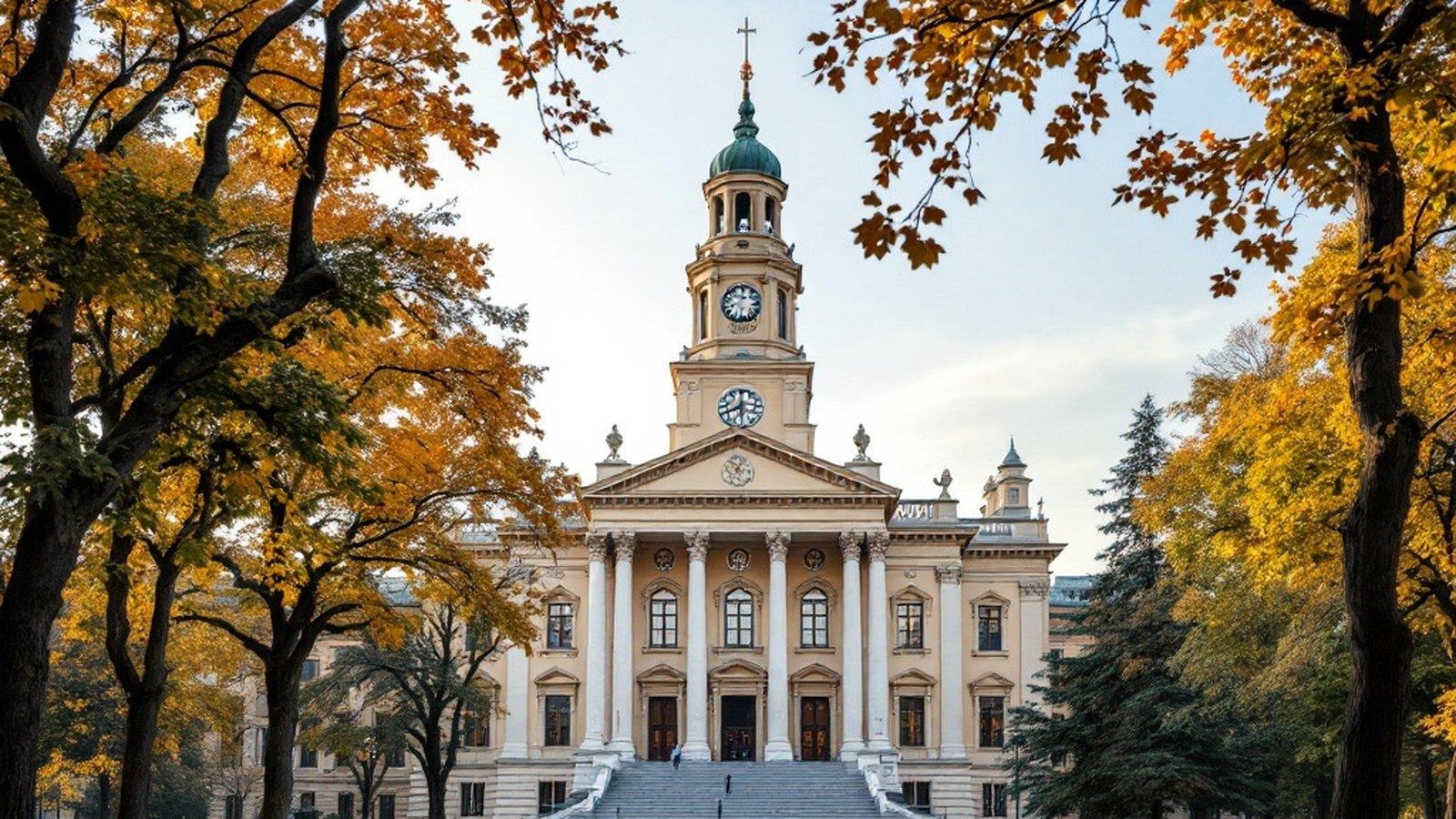
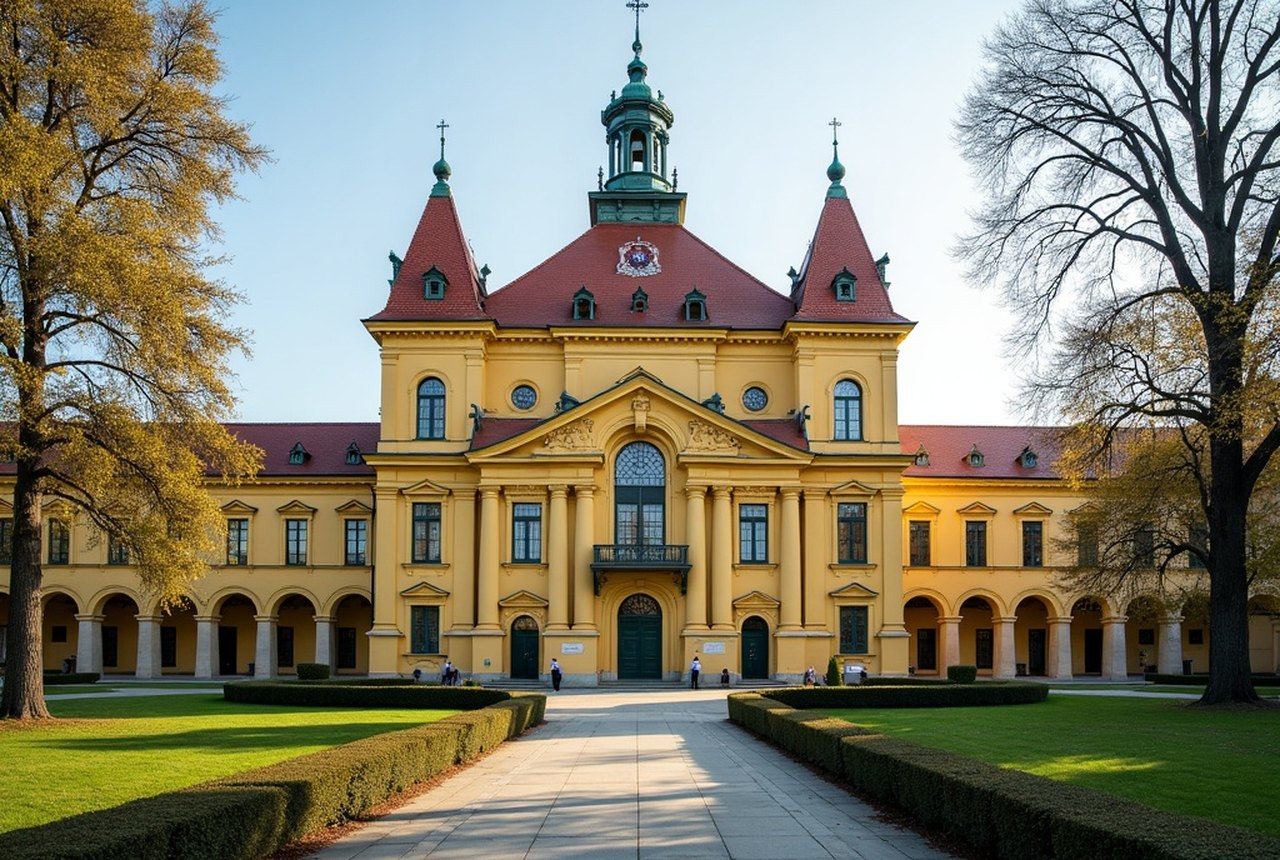
The main campus building is a landmark neo-Baroque structure — architecturally distinctive in a city already worth living in. Since 2006, the university has also operated a medicine campus in Geochang County, South Korea, a sign of the institution's international ambitions that goes beyond brochure language. Notable alumni include Zsuzsanna Jakab, former Regional Director of the World Health Organization, and the writer Zsigmond Móricz.
None of this guarantees that Debrecen is the right fit for every student — but it does mean that the institution has the depth to justify serious consideration alongside better-known alternatives.
Independent guideThis is an independent guide and is not affiliated with, endorsed by, or acting on behalf of the University of Debrecen or its Medical & Health Science Centre.