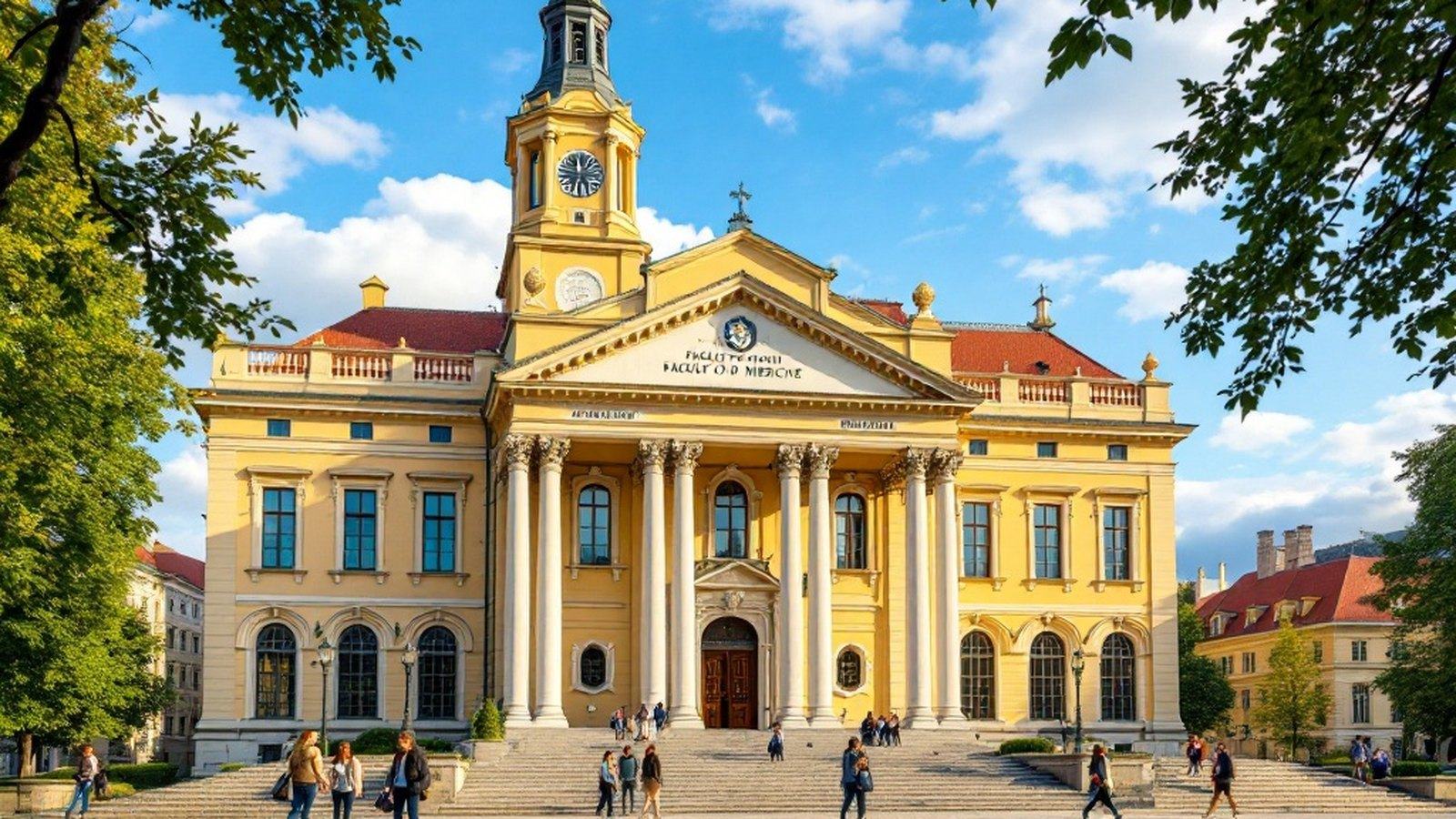
01Hungary's Case for Medical Students
Hungary has quietly become one of Europe's most popular destinations for international medical students, and for straightforward reasons. Degrees from Hungarian universities comply with the Bologna Process and are accredited by bodies including the World Health Organization, meaning graduates can pursue registration in most parts of the world. Medicine, dentistry, pharmacy, and public health are all taught in English. Tuition fees sit well below Western European equivalents, the cost of living in a city like Debrecen is genuinely affordable, and entry requirements — while real and competitive — are not designed to exclude capable students from non-traditional backgrounds. Most programmes also offer a preparatory pre-medical year for students who need to consolidate their sciences before the main course begins.
02Four Universities, One Standout Option
Four institutions dominate Hungarian medical education: Semmelweis University in Budapest, the University of Szeged, the University of Pécs, and the University of Debrecen. Each has a serious reputation; the choice between them comes down to programme fit, city preference, and scholarship access as much as rankings.
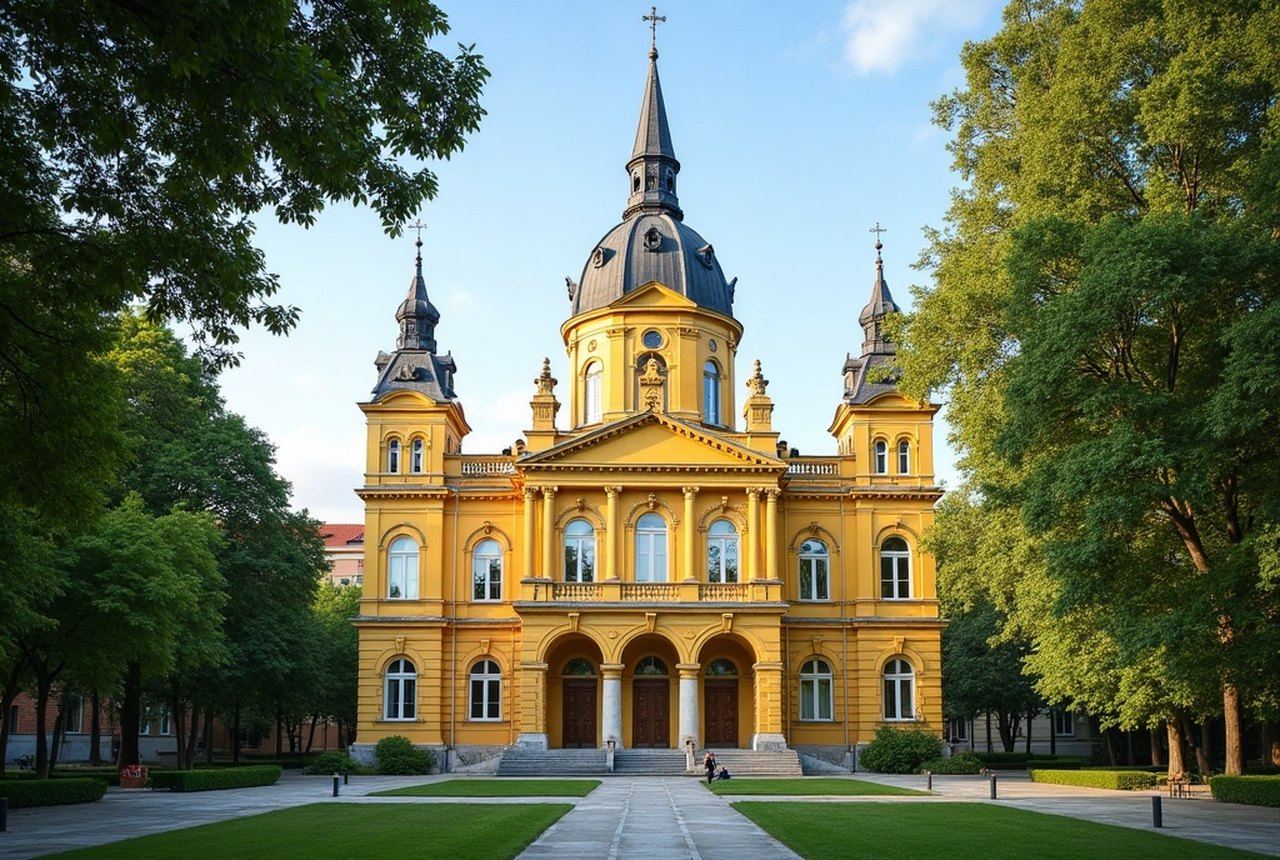
The University of Debrecen stands out in one important respect: its Faculty of Medicine is among the oldest in Central Europe, having become an independent faculty in 1951. It operates through the Medical & Health Science Centre, with 22 basic-science departments covering anatomy, biochemistry, physiology and related disciplines, alongside 25 clinical departments — surgery, cardiology, radiology, orthopaedics, dermatology, urology, gynaecology, and more. Because the university's clinical departments function as working hospital units rather than separate teaching facilities, students encounter real patient care early and consistently, not just in final-year rotations.
That depth of clinical infrastructure matters. A student moving through the programme in Debrecen isn't observing from a distance; the structure pulls them into wards and clinics progressively across the six years.
One caveat worth stating plainly: Hungarian degrees give you a strong, recognised foundation, but most countries require graduates to pass a country-specific licensing exam before they may practise independently. That step is manageable — thousands of Debrecen graduates have cleared it — but it is a real part of the journey and worth building into your planning from the start.

Independent guideThis is an independent guide and is not affiliated with or endorsed by the University of Debrecen or its Medical & Health Science Centre.