01Who Debrecen is genuinely for
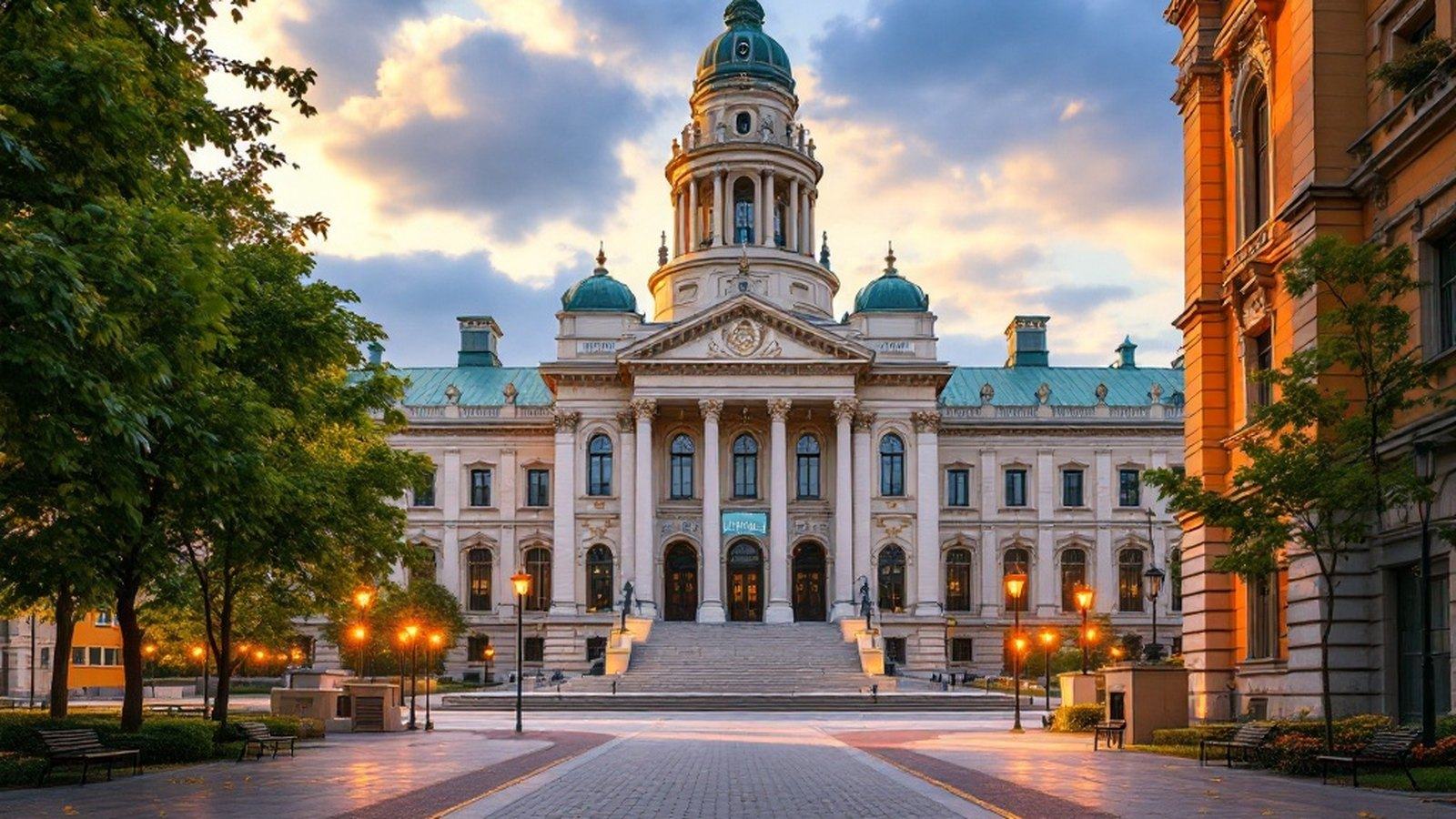
There is a version of studying abroad that is about the city: the nightlife, the Instagram backdrop, the feeling of living somewhere cosmopolitan and buzzing. Debrecen is not that. Hungary's second city is a mid-sized university town in the north of the Great Plain, in eastern Hungary — compact, walkable, affordable, and almost entirely shaped around the fact that the University of Debrecen has been here, in one form or another, since 1538. If you are choosing a destination primarily for lifestyle glamour, Budapest or Vienna will serve you better. If you are choosing it because you want a rigorous, internationally recognised degree in medicine, dentistry, pharmacy, or the life sciences, and you want to do it without haemorrhaging money, then Debrecen deserves a serious look.
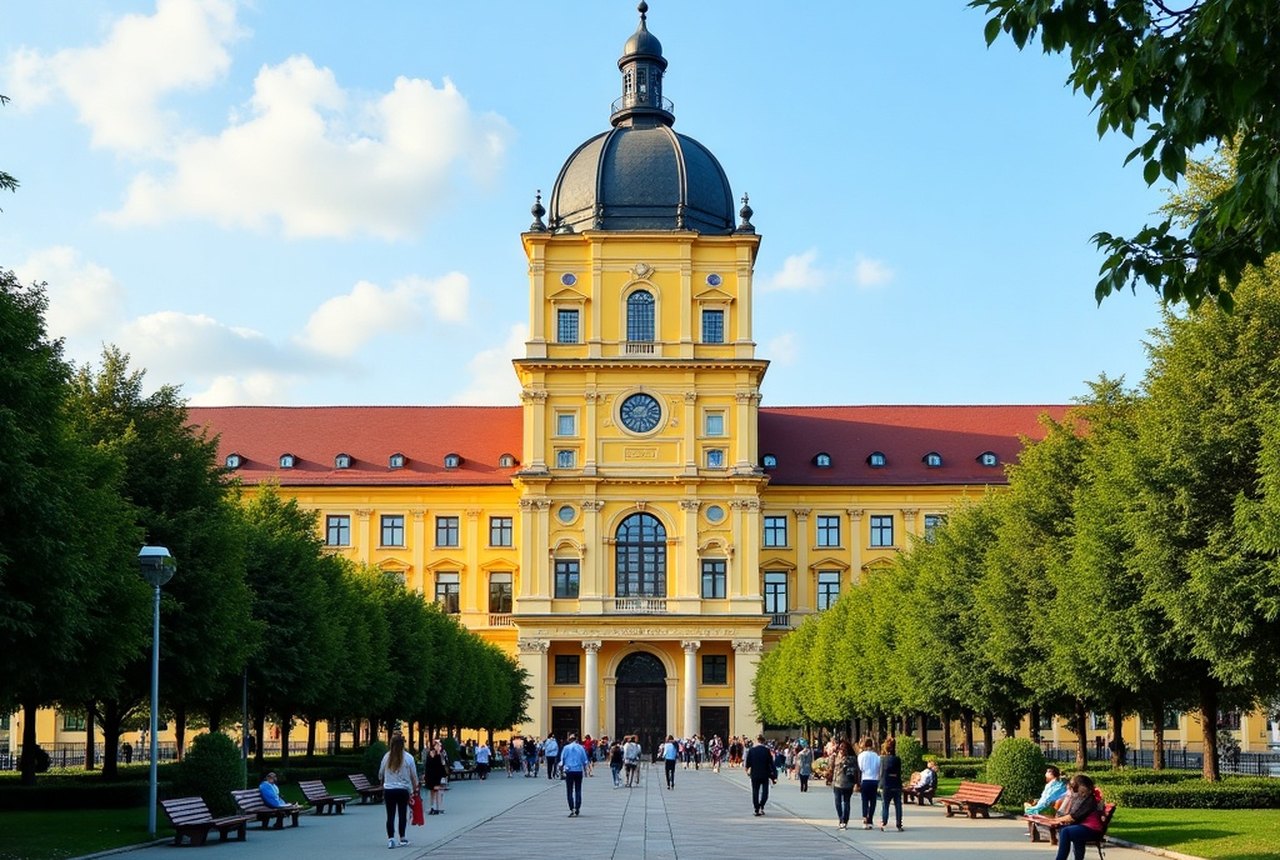
The students who tend to thrive here share a few traits. They came for the programme, not the postcode. They are comfortable in a place where the social fabric is genuinely international — around a quarter of the student body is drawn from overseas, with large communities from Nigeria, Ghana, South Korea, Japan, Norway, and elsewhere — but where Hungarian is the language of the street and most of the city's daily life sits quietly outside the student bubble. They are self-directed enough to manage a curriculum that, especially in medicine, front-loads hard science and demands consistent work from the very first semester. And they tend to value the concrete over the abstract: Debrecen suits people who want to know what a degree will qualify them to do, not just what it says on the certificate.
02What the experience actually involves
The University of Debrecen's Medical and Health Science Centre is the engine that drives the institution's international reputation. Its English-language medical programme — a six-year MD — is accredited within the EU framework, which means graduates can sit licensing examinations across Europe, North America, and many other jurisdictions. Dentistry and pharmacy run on similar structures. The newer biochemistry and molecular biology degree takes a different direction: it is a three-year BSc built for students who want to understand living systems at the molecular level, with real bench research baked into the later years. Health sciences programmes — physiotherapy, nursing, public health — are practice-led and shorter, shaped around clinical placements.
The workload in medicine and dentistry is not softened or sugar-coated here. The first two years are heavily weighted toward anatomy, biochemistry, physiology, and histology. Teaching in the basic-science departments is rigorous and examination-based; the jump from secondary school to this level of demand catches some students off-guard. Those who arrive expecting to ease in gradually usually find the first semester a corrective experience. That is not a criticism of the programme — it is a fair description of what medical education at this level requires — but it is worth naming plainly before you commit.
Outside the lecture hall, daily life in Debrecen is genuinely manageable on a student budget. Rent, food, and transport cost a fraction of what the same lifestyle would run in London, Dublin, or even Budapest. The Great Forest — Nagyerdő — sits at the edge of campus, and the thermal baths at the city's park are the kind of amenity that feels almost absurdly convenient for stressed students. The city is small enough that you rarely need more than a tram or a bicycle to get where you are going. Budapest is two hours by train; Vienna and beyond are reachable for a weekend.
03Using this guide to find your path
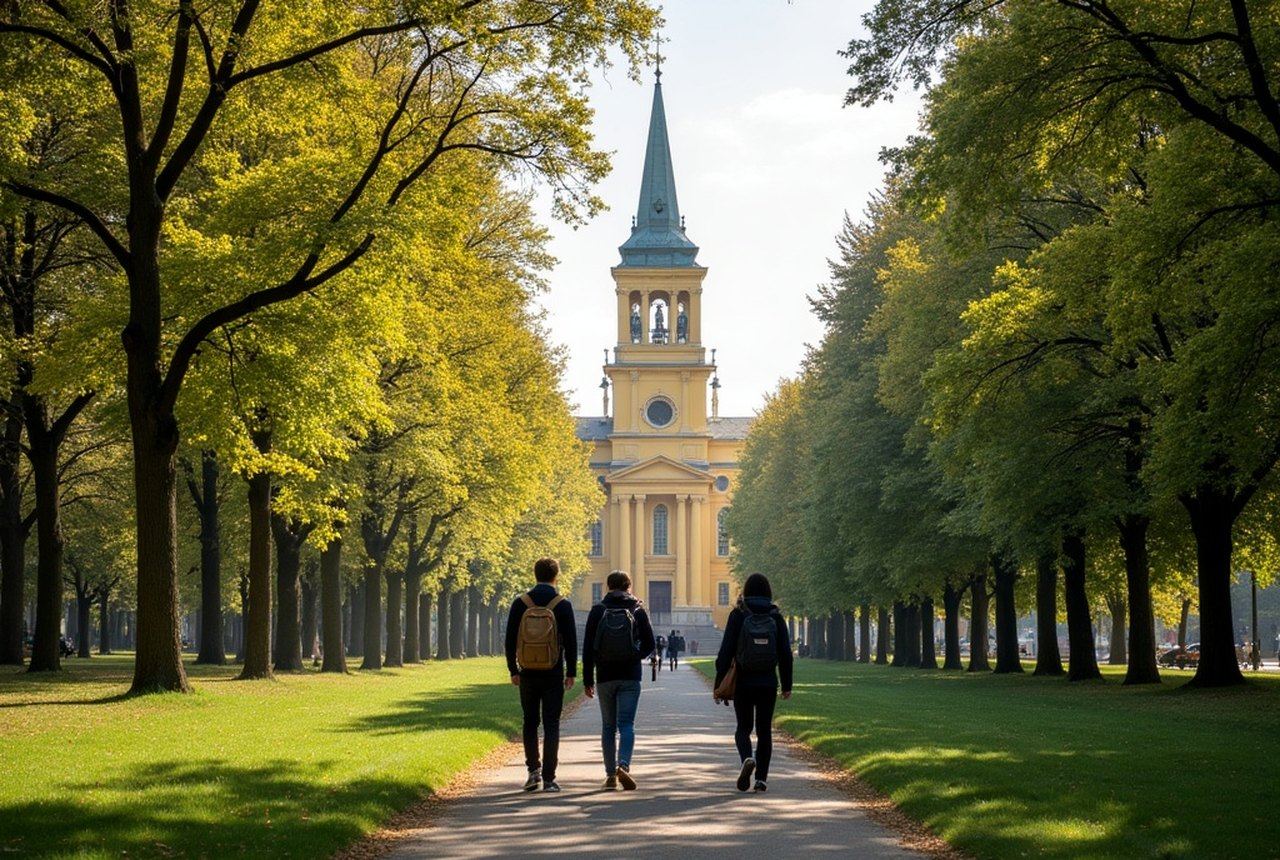
This site is built around the reality that "Debrecen" means different things depending on which programme you are considering. A student asking about medicine is weighing a six-year commitment, clinical rotations, and an EU-recognised qualification. A student asking about biochemistry is thinking about research careers and postgraduate options. A student in health sciences is planning for a professional licence and employment in a specific field. These are different decisions, and they deserve different answers.
The guides here cover each programme in its own right — what the structure looks like, what entry requires, what the qualification opens, and what the genuine trade-offs are. If you are already fairly sure which direction you want, the programmes overview is the logical next stop: it maps all the English-language options side by side so you can compare entry points, length, and orientation before you go deeper. If you are still at the "should I even go to Debrecen?" stage, the honest answer is: it depends almost entirely on what you are going there to study and how seriously you intend to study it. The city will support you. The university will challenge you. Whether that combination is the right one is the question only you can answer — but this guide exists to make sure you are answering it with accurate information rather than brochure copy.
Independent guideThis is an independent guide. It is not affiliated with, endorsed by, or produced by the University of Debrecen or its Medical and Health Science Centre.