01The city behind the campus
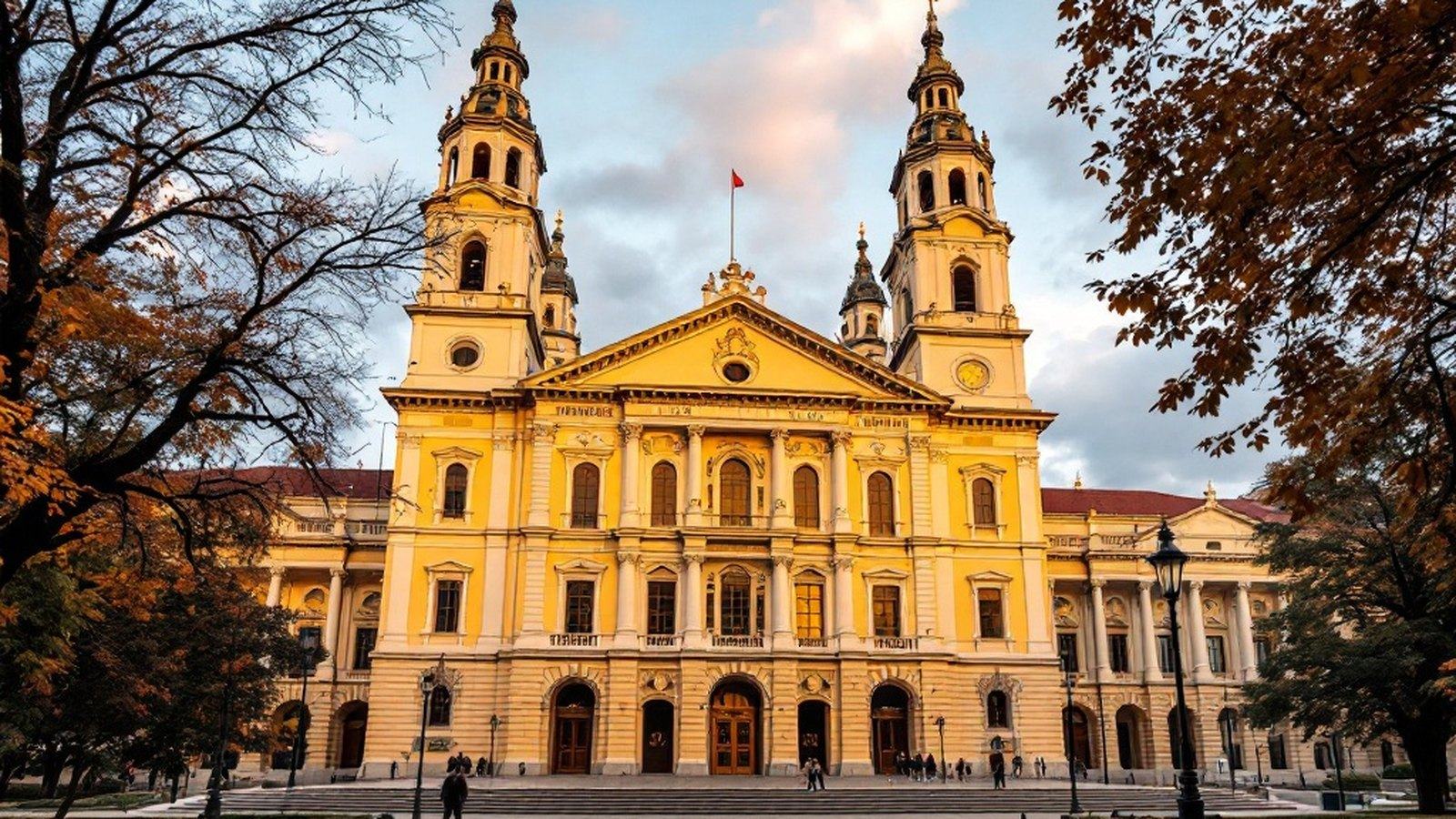
Debrecen is Hungary's second city, sitting roughly 220 kilometres east of Budapest on the edge of the Great Plain. It is not Budapest — and that is, for many students, precisely the point. Where the capital is dense, expensive and relentlessly touristic, Debrecen is compact, navigable and genuinely affordable. The population hovers around 200,000, large enough to feel like a real city, small enough that you will recognise faces from your faculty within weeks of arriving.
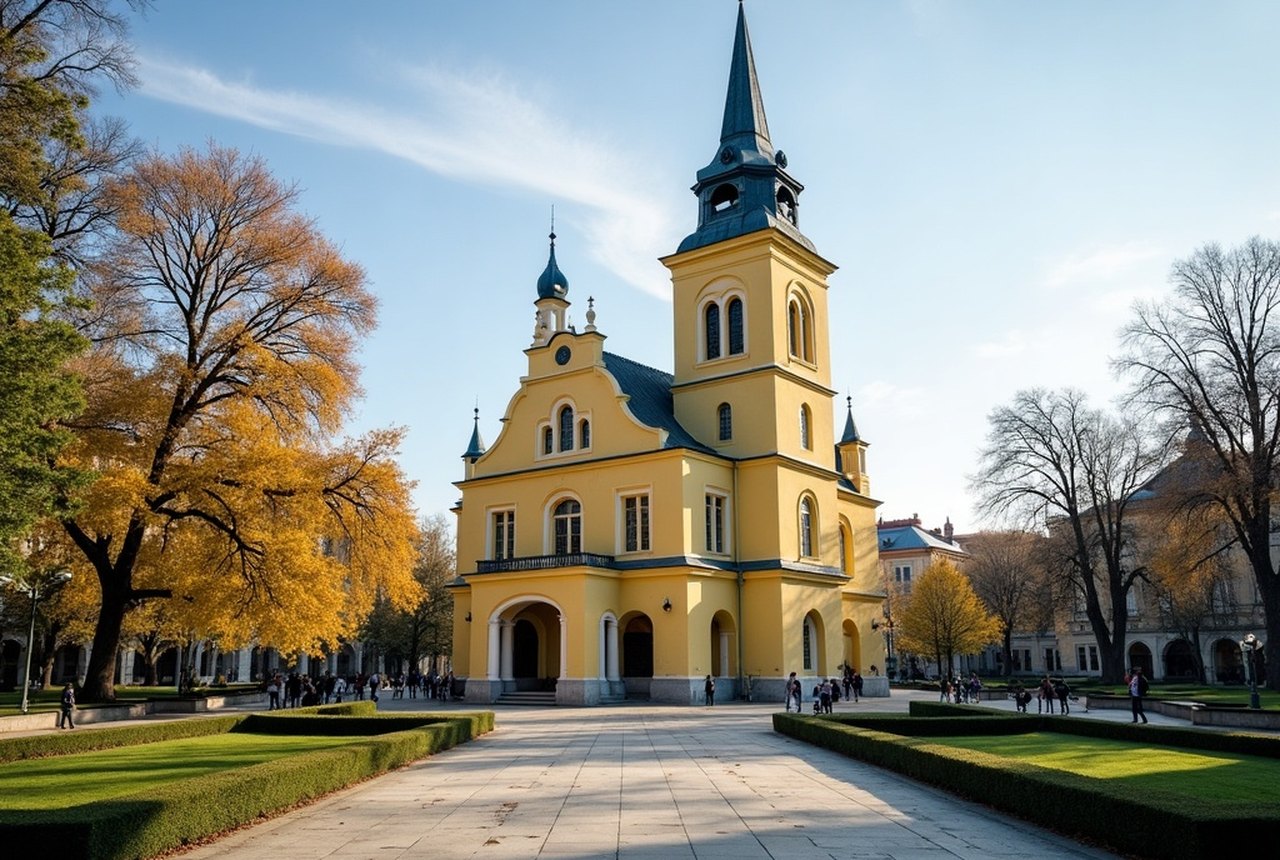
The University of Debrecen traces its roots to 1538, making it one of Hungary's oldest higher-education institutions. Its main campus is a green, walkable site centred on the iconic Neo-Baroque main building on Egyetem tér. International students number more than 4,000, drawn from over 100 countries, and that diversity shapes daily life well beyond the lecture hall — the city's cafés, sports halls and dormitory corridors carry it.
02What daily life actually looks like
Hungarian is the official language beyond the campus gates, and the honest advice is to learn a handful of phrases early. Most shop and transport staff speak limited English, though younger Debreceners manage considerably better. English-taught programme students are not required to sit Hungarian-language examinations — your degree work stays in English — but even rudimentary Hungarian earns goodwill and smoothes the small frictions of everyday life.
Living costs are one of Debrecen's clearest advantages. Rent, food, transport and socialising together run to a fraction of what comparable student cities in Western Europe demand; most students budget somewhere in the range of £100–£200 per month for everyday expenses beyond accommodation, though individual habits vary. University dormitories are well-priced relative to private rentals and put you close to campus from day one.
Healthcare is accessible and inexpensive by Western standards. Holders of a European Health Insurance Card pay very little per outpatient visit, and the city has solid medical infrastructure — unsurprisingly, given the scale of the University's Medical & Health Science Centre.
Your university ID card doubles as a discount card: reduced fares on Debrecen's trams and trolleybuses, cheaper cinema tickets, and concessions at sports venues are all standard. The city is generally safe, though the usual sensible precautions apply — tourist-area overcharging in taxis and bars is an occasional reality in Hungary, Debrecen included.
Beyond the campus, the Great Forest (Nagyerdő) — a genuine urban woodland — borders the university grounds and provides the kind of green space that most European cities only dream of. Thermal baths, a lively market, seasonal festivals and day-trip reach of Tokaj wine country and Budapest all add up to a place that rewards staying curious.
Independent guideThis is an independent guide, not affiliated with or endorsed by the University of Debrecen or its Medical & Health Science Centre.